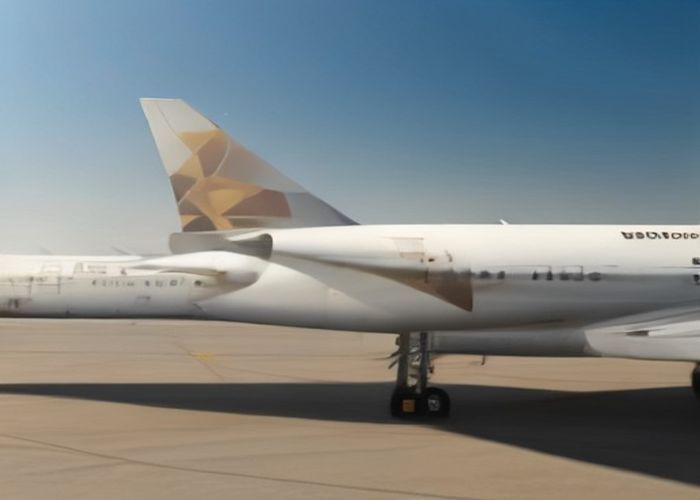
 Etihad Airways – Comprehensive Guide to Flights, Services, and Travel Tips
Etihad Airways, the flag carrier of the United Arab Emirates, was founded in 2003 and is headquartered in Abu Dhabi. In less than two decades the airline has built a reputation for high‑quality service, modern aircraft, and a rapidly expanding route network that connects the Middle East with Europe, Asia, Africa, Australia, and the Americas. Etihad positions itself as a premium carrier, offering a blend of luxury, cultural hospitality, and innovative technology.

Etihad operates a mixed fleet of narrow‑body and wide‑body aircraft, allowing it to serve both short‑haul regional routes and long‑haul intercontinental journeys. The core of the long‑haul fleet consists of Airbus A380‑800 super‑jumbos and Boeing 787‑9 Dreamliners, both known for fuel efficiency and passenger comfort. The airline also employs Airbus A330‑200, A350‑1000, and Boeing 777‑300ER aircraft for high‑density routes.
Key features of Etihad’s fleet include:
Etihad structures its service offering into three main cabins: Economy, Business, and First Class. Each cabin is designed to meet the expectations of its target travelers.
Economy seats feature ergonomic design, adjustable headrests, and a generous seat pitch of 31‑33 inches. Passengers receive a complimentary meal service, a selection of beverages, and access to the airline’s personal entertainment screen.
Business Class provides a lie‑flat seat that converts into a fully horizontal bed, direct aisle access on most aircraft, and premium dining options curated by international chefs. Business travelers also enjoy priority check‑in, lounge access, and additional baggage allowance.
Etihad’s First Class, available primarily on the A380, is marketed as a “Residence” experience on select aircraft. It includes private suites, a dedicated butler service, a la carte dining, and access to exclusive airport lounges. The First Class cabin emphasizes privacy, space, and personalized service.
Etihad’s route map connects Abu Dhabi to more than 80 destinations across six continents. Major hubs include London Heathrow, New York JFK, Sydney, Tokyo Narita, and Johannesburg. The airline’s strategic focus on connecting the Middle East with emerging markets has resulted in a robust presence in Africa and Central Asia.
Popular routes often highlighted by travelers are:
Etihad Guest is the airline’s frequent‑flyer program, designed to reward repeat travelers with tiered benefits. Members earn “Miles” for every flight, which can be redeemed for award tickets, cabin upgrades, or partner services such as hotel stays and car rentals. The program includes four tiers: Guest, Silver, Gold, and Platinum, each offering increasing levels of lounge access, priority boarding, and bonus mileage accrual.
Key advantages of Etihad Guest include:
While Etihad does not typically publish deep discount codes, travelers can still secure better fares by following a few proven strategies:

Etihad’s baggage allowances vary by cabin and route. In general:
Carry‑on allowance is typically one piece not exceeding 7 kg (15 lb) and a personal item such as a laptop bag. Passengers are encouraged to review the specific allowance for their itinerary, as regional variations may apply.
Etihad invests heavily in the passenger experience. The in‑flight entertainment system, called “E‑Vision,” offers a touchscreen interface with a library of over 1,000 titles, including the latest blockbusters, classic films, and live TV channels. Passengers can also stream content to personal devices via the airline’s Wi‑Fi service, which is available for purchase on most flights.
Additional services include:
Etihad adheres to international aviation safety standards set by the International Civil Aviation Organization (ICAO) and the UAE General Civil Aviation Authority. The airline conducts regular safety audits, employs advanced aircraft maintenance programs, and equips its fleet with the latest navigation and weather‑avoidance technology.
In response to global health concerns, Etihad introduced a comprehensive hygiene protocol that includes:
Etihad has publicly committed to reducing its carbon footprint through several initiatives. The airline operates a modern, fuel‑efficient fleet and has invested in sustainable aviation fuel (SAF) trials. Etihad also participates in carbon offset programs that allow passengers to contribute to reforestation and renewable energy projects.
Other environmentally focused actions include:
Flying with Etihad or its partner airlines, staying at partner hotels, and using co‑branded credit cards are the most direct methods. Miles can also be earned through car‑rental partners and select retail promotions.
Etihad offers a flexible fare option on many routes that allows changes without a change fee, though fare differences may still apply. Travelers should review the fare rules associated with their ticket before booking.
Yes. The airline offers wheelchair assistance, priority boarding, and dedicated support throughout the journey. Passengers are advised to notify Etihad at least 48 hours before departure.
Etihad permits small cats and dogs in the cabin on select routes, subject to weight and carrier size restrictions. Larger animals can travel as cargo in temperature‑controlled compartments.
First and Business Class passengers, as well as Platinum and Gold Etihad Guest members, receive complimentary lounge access at Abu Dhabi International Airport and select partner lounges worldwide.
By understanding Etihad Airways’ service offerings, loyalty benefits, and practical travel tips, passengers can make informed decisions that enhance comfort, value, and overall satisfaction on their journeys.







💬 Comment Section